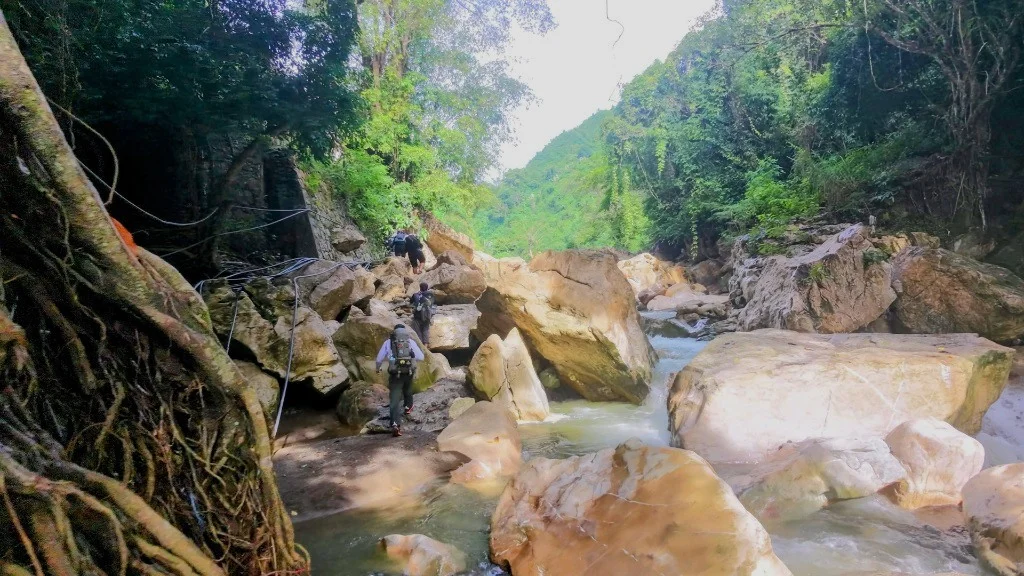
Hiking in the Philippines rewards you with lush mossy forests, dramatic limestone ridges, cool mountain streams, and sea-of-clouds sunrises. At the same time, tropical mountain terrain comes with real hazards—intense heat and humidity, sudden downpours, slick mud, dense jungle trails, and local wildlife.
Most trail emergencies don't happen because a mountain is impossible to climb; they happen because hikers underestimate changing conditions or skip basic preparation. Knowing the risks specific to Philippine trails—and how to prevent them—helps ensure every weekend climb ends safely back at the jump-off.
1. Extreme Heat, Humidity, and Dehydration
On exposed lowland trails, cogon-grass ridges, and open lahar plains, tropical heat combined with high humidity drains your fluids far faster than most beginners expect. Without steady hydration, fatigue can quickly escalate into heat exhaustion or life-threatening heatstroke.
How to Avoid:
- Start early: Aim for a dawn or pre-dawn start so you tackle steep, exposed assaults before the midday sun peaks.
- Bring enough water and electrolytes: Pack at least 2 to 3 liters of water for a standard day hike (more for long or exposed climbs), plus oral rehydration salts (ORS) or electrolyte drinks to replace lost sodium.
- Drink before you're thirsty: Take small, frequent sips throughout the trek instead of waiting until you feel parched.
- Dress for tropical heat: Wear lightweight, breathable, moisture-wicking fabrics (skip heavy cotton shirts), a cap or boonie hat, arm sleeves, and sweat-resistant sunscreen.
- Watch for warning signs: Stop in the shade and cool down immediately if you or a companion feels dizzy, nauseated, unusually chilled, gets severe cramps, or stops sweating.
2. Sudden Tropical Storms, Flash Floods, and Hypothermia
Philippine mountain weather can shift in minutes—especially during habagat (southwest monsoon), amihan (northeast monsoon), and afternoon thunderstorm season. Heavy rain turns calm river crossings into dangerous flash floods, loosens saturated soil into landslides, and exposes ridge hikers to lightning.
Even in a tropical country, hypothermia is a real risk. Being soaked by rain and hit by strong mountain winds—especially at higher peaks like Mt. Pulag or Mt. Apo, or during overnight camps—can drop your body temperature dangerously fast.
How to Avoid:
- Check PAGASA and local advisories: Review weather bulletins and barangay/DENR/tourism notices before heading out. Reschedule if a typhoon, low-pressure area (LPA), or days of heavy rain have made trails unstable.
- Waterproof your gear and yourself: Always pack a lightweight poncho or waterproof rain jacket, line your backpack with a dry bag or thick trash bag, and bring a dry set of clothes for camp or the ride home.
- Never force a river crossing: If a stream suddenly turns murky brown, rises quickly, or runs fast above knee height, turn back or wait it out—brown water often signals a flash flood rushing down from higher ground.
- Respect lightning: Descend from exposed summits, open ridges, tall isolated trees, and metal transmission towers as soon as thunder rolls in.
3. Slippery Mud, Jagged Limestone, and Trail Injuries
Ankle sprains, deep cuts, and slips are among the most common injuries on local mountains. Tropical rainforest trails stay slick with wet clay and mossy roots, while karst mountains—like Cebu's limestone peaks or Rizal's rocky ridges—feature razor-sharp rock faces that turn dangerously slippery after even a brief drizzle.
How to Avoid:
- Wear proper trail footwear: Use broken-in hiking shoes, trail runners, or sturdy outdoor sandals with deep, grippy lugs. Leave flat sneakers and worn-out soles at home.
- Use trekking poles: Poles dramatically improve balance on steep, muddy descents and take pressure off your knees.
- Protect your hands: Pack lightweight utility or cycling gloves for rocky scrambles, rope segments, and trails lined with sharp cogon grass.
- Stay sharp on the descent: Most falls happen on the way down when your legs are tired. Slow down, test loose rocks and roots before shifting your weight, and keep a safe distance from cliff edges.
4. Getting Lost on Jungle Trails and in Thick Fog
Dense rainforest canopies, unofficial farmer footpaths, overgrown intersections, and sudden whiteout fog can quickly disorient hikers. Relying solely on a smartphone is risky when mountain signal disappears or batteries drain.
How to Avoid:
- Register and hire an accredited local guide: Always sign the barangay or DENR logbook at the jump-off and hike with a local guide who knows current trail forks and safe detours.
- Stick to the group: Never hike ahead of the lead guide or drop out of sight behind the sweeper. Wait at every trail junction so no one takes a wrong turn. If you are thinking of trekking alone, read our guide on Solo Hiking: Is It Right for You? first.
- Bring a headlamp—even on day hikes: Delays happen. A headlamp with spare batteries keeps you moving safely if you're caught on the trail after sunset (see our Night Hiking Guide for low-light trail tips).
- Carry offline backups and leave an itinerary: Download offline trail maps, pack a power bank, and tell someone at home your exact mountain, jump-off, and expected return time.
- Use S.T.O.P. and a whistle if separated: Stop walking, Think calmly, Observe your surroundings, and Plan. Stay put so rescuers can find you, and blow three short whistle blasts (the universal distress signal) at regular intervals.
5. Snakes, Limatik, Insects, and Hazardous Plants
Philippine forests are rich in biodiversity, and most wildlife will avoid you if given the chance. The real everyday nuisances—and occasional emergencies—come from small creatures and native plants:
- Snakes: Pit vipers and other snakes often blend seamlessly into leaf litter, mossy rocks, or low branches.
- Limatik (blood leeches): Common in damp, mossy forests during or after rain. Their bites are usually painless at first but bleed continuously due to anticoagulants.
- Mosquitoes and wasps (putakti): Mosquitoes can carry dengue, while disturbing a ground or tree wasp nest can lead to multiple painful stings or severe allergic reactions.
- Stray or territorial dogs: Often encountered near rural jump-off communities and early trail sections.
- Hazardous plants: Contact with lipang kalabaw (stinging nettle tree) causes intense burning and blistering, while thorny rattan (yantok) and tall cogon grass can easily slice exposed skin.
How to Avoid:
- Watch your hands and feet: Never blindly grab tree trunks, mossy ledges, or overhanging branches, and step onto fallen logs rather than blindly over them. If you spot a snake, stop, give it wide space, and let it move away.
- Cover up and use repellent: Wear trekking pants or leggings, high socks, and long sleeves in brushy or leech-prone trails. Apply insect repellent (DEET or picaridin) and skip sweet-smelling perfumes that attract wasps.
- Handle limatik calmly: Never yank a leech straight off (which can leave mouthparts behind and worsen bleeding). Slide a fingernail or flat card gently under its mouth to break the seal, or apply a dab of rubbing alcohol or vinegar, then clean and bandage the bite.
- Ask your guide about local flora: Learn to spot lipang kalabaw early, stay on the center of the trail, and carry antihistamines if you have known allergies.
- Practice Leave No Trace: Keep trail food sealed and pack out all trash so you don't attract wild animals or stray dogs to campsites and rest stops. Learn more in our guide to Leave No Trace Principles for Responsible Outdoor Recreation.
6. Unsafe Backcountry Water
Clear-looking mountain rivers, waterfalls, and springs may still carry waterborne bacteria, parasites, or runoff from upstream settlements and farms. Drinking untreated water can trigger severe stomach cramps and diarrhea miles from the nearest clinic.
How to Avoid:
- Ask before you refill: Check with your local guide before drinking from any natural water source.
- Filter or purify: On long or multi-day hikes where refilling is necessary, bring a portable water filter, purification tablets, or boil water for at least one minute before drinking.
7. Overexertion, Cramps, and Poor Pacing
Signing up for an "unli-assault" major climb without conditioning, skipping meals, or hauling an overly heavy backpack quickly leads to leg cramps, exhaustion, and missed cut-off times.
How to Avoid:
- Match the mountain to your fitness: Build experience on beginner-friendly minor hikes before taking on steeper, longer, or multi-day peaks. If you're just starting out, check our Beginner's Guide to Getting Into Hiking.
- Condition beforehand: Prepare with cardio, stair climbs, and leg-strength exercises in the weeks leading up to a tough trek.
- Fuel steadily and pack smart: Snack regularly on quick-energy trail food (nuts, bananas, jelly snacks, dark chocolate, trail mix) and cut unnecessary weight from your pack.
- Respect turnaround times: Know when to turn back if fatigue, injury, or worsening weather puts your group at risk.
Quick Safety Checklist for Philippine Day Hikes
Before heading to the jump-off, make sure your pack covers these essentials:
- Water & electrolytes: At least 2–3L of water plus ORS or electrolyte powder
- Light & signaling: Headlamp (with spare batteries) and an emergency whistle
- Weather protection: Lightweight poncho/rain jacket, dry bag/pack liner, and an extra dry shirt
- First-aid kit: Bandages, antiseptic/alcohol, blister tape, pain relievers, antihistamines, and personal meds
- Sun & bug protection: Cap/hat, sunscreen, arm sleeves/long pants, and insect repellent
- Navigation & comms: Fully charged phone with offline trail map, power bank, and emergency contacts saved
- Trail food: High-energy snacks plus a little extra in case of delays
- Local essentials: Valid ID (for LGU/DENR registration), small cash for fees/guides, and a trash bag for Leave No Trace
Final Thoughts
Exploring the Philippines' mountains is one of the best ways to disconnect and experience nature—as long as you respect the environment you're stepping into. Check PAGASA before you go, listen to your local guide, pace yourself in the tropical heat, and never hesitate to turn back when conditions turn unsafe. The summit isn't going anywhere—you can always climb again another weekend.