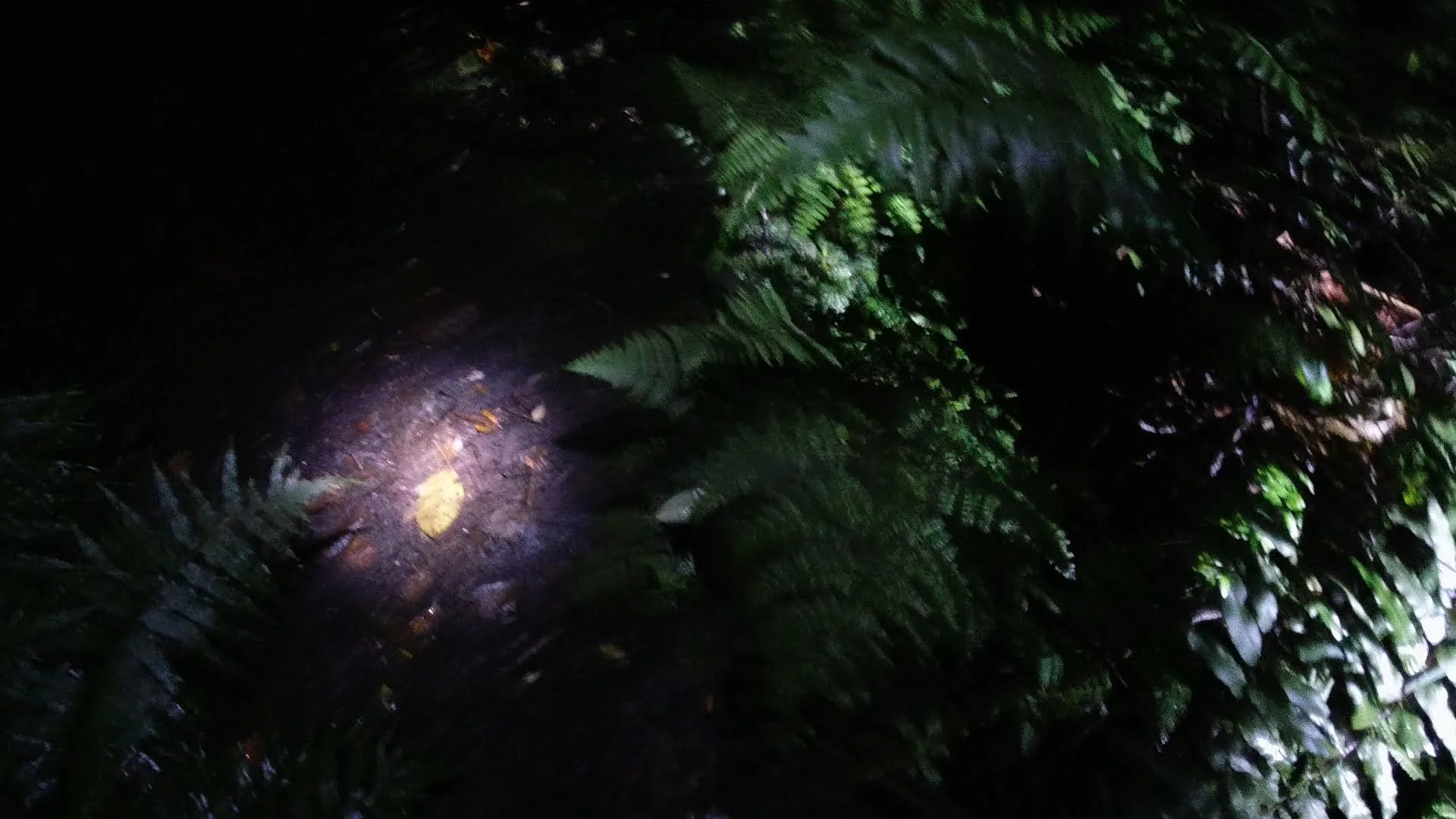
Headlamp beam cutting through a damp, fern-lined stretch of trail during our night push on Mount Apo.
Whether you're starting a 3:00 AM summit assault on Mount Apo, catching sunrise from a chilly Cebu highland ridge, or squeezing in an after-work headlamp trek near the city, night hiking is a staple of hiking in the Philippines. Moving on tropical trails after dark is deeply rewarding—but it plays by very different rules than daytime hiking. Sticky clay mud, slick limestone steps, branching sitio footpaths, and sudden ridge winds can turn a familiar route into a real test if you aren't prepared.
Why Night Hike in the Philippines?
1. Beat the Tropical Heat and Midday Sun
Many trails around Cebu—especially exposed grassy ridges in Naga, Minglanilla, Busay, and Dalaguete—offer almost zero tree cover. Pushing up a steep slope under 33°C midday sun drains your energy and water fast. Starting before dawn or hiking after sunset keeps your core temperature down and makes long ascents far more comfortable.
2. Catch Sunrise, Sea of Clouds, and Metro Cebu City Lights
A pre-dawn start puts you on the ridge just as the horizon opens up over Cebu Strait or the southern highlands—and on cooler mornings, you might even catch low fog rolling through the valleys. If you hike foothill trails overlooking Metro Cebu in the early evening, you also get sweeping city-light views and a calmer breeze than anything in town.
3. Experience Tropical Nightlife on the Trail
Once the sun drops, Philippine forests come alive in a different way. Expect a chorus of tree frogs, cicadas, and nightjars, fireflies (aninipot) drifting along damp creeks, and fruit bats overhead. On deeper, high-elevation mossy forests like Mount Apo, keen eyes can even spot faint bioluminescent fungi glowing on damp decaying wood beside the trail.
4. Quieter Trails and Sharper Focus
Popular Cebu weekend trails can feel crowded by mid-morning. At night, traffic drops dramatically. With your world narrowed to the circle of your headlamp beam, every step becomes deliberate—giving you a quiet, meditative rhythm that's hard to match during the day.
What Makes Tropical & Cebu Trails Tricky After Dark
1. Slick Clay (Lapok), Wet Limestone, and Mossy Roots
After an afternoon rain shower or heavy mountain dew, Cebu's red clay slopes turn slippery fast, and exposed karst/limestone outcrops become unforgiving underfoot. On higher mossy trails like Mount Apo, wet tree roots and dense ferns absorb headlamp light and easily hide mud holes or sudden drop-offs.
2. Overgrown Cogon, Thorns, and Nocturnal Critters
Narrow tropical single-track trails frequently brush right against razor-sharp cogon grass, thorny rattan (uway), and stinging plants (lipa) that are easy to miss in low light. Keep an eye out for snakes resting on warm trail rocks or low branches, mosquitoes, fire ants, and—on damp rainforest climbs—limatik (forest leeches).
3. Unsigned Sitio Forks and Farm Footpaths
Unlike heavily signposted parks abroad, many Cebu hikes weave through active farming sitios, mango groves, and intersecting habal-habal or carabao tracks. Trail junctions that look obvious at 9:00 AM can look identical at 4:00 AM, making wrong turns surprisingly easy without a downloaded track.
4. Territorial Barrio Dogs
Passing quiet residential jump-offs and hilltop sitios before sunrise often wakes up stray and guard dogs (askal). They are usually far more territorial at night—stay calm, avoid running, keep your group together, and hold a trekking pole between you and an approaching dog if needed.
5. Unexpected Ridge Chill and Sudden Weather Shifts
Lowland heat fools many hikers into packing too light. Once your shirt is drenched from humid climbing, a pre-dawn Amihan breeze on an exposed Cebu ridge can chill you rapidly. On major mountains like Mount Apo, nighttime temperatures drop sharply enough that wet clothes and wind can lead to hypothermia.
6. Patchy Signal and Slower Emergency Response
You may enjoy strong mobile data on a ridge facing Metro Cebu, then lose signal completely a few minutes down a forested gully. If someone twists an ankle at 2:00 AM, getting help or evacuating safely takes much longer than it would in daylight.
Essential Gear for Philippine Night Hikes
- A Proper Headlamp (Not Your Phone Flashlight): Choose a reliable 200–400+ lumen headlamp with a tiltable head, spare batteries (or a fully charged pack plus powerbank), and a red-light mode. Red light preserves night vision, avoids blinding teammates during breaks, and attracts far fewer moths and bugs in tropical humidity. Always pack a small backup light.
- Grippy Footwear and Skin Protection: Wear trail shoes with deep lugs—smooth soles struggle on wet Cebu clay and limestone. Long socks, trail pants (or tights), and breathable sleeves protect against cogon cuts, rattan thorns, mosquitoes, and limatik on mossy trails.
- Moisture-Wicking Layers + Wind/Rain Shell: Climb in a quick-dry shirt, and carry a packable windbreaker or rain jacket plus one dry shirt sealed inside a dry bag or ziplock for breezy summit stops.
- Offline GPX and Powerbank: Save the trail's GPX file offline before reaching the jump-off, keep your phone topped up, and never rely blindly on old faded trail ribbons.
- Water, Electrolytes, and Quick Calories: Tropical humidity keeps you sweating even after dark. Carry at least 1.5–2 liters of water (more on longer traverses), an electrolyte pack, and easy snacks like bananas, trail mix, or energy chews.
- Trekking Poles, Whistle, and Basic First Aid: A trekking pole helps gauge mud depth, stabilizes dark descents, and helps keep curious barrio dogs at a safe distance. Pack a whistle, bandages, alcohol wipes, and insect repellent.
Practical Safety Tips on Local Trails
- Hike the Trail in Daylight First: Before doing a self-guided night hike, walk the route during the day so the junctions, steep sections, and landmarks are already familiar.
- Move as a Group with a Lead and Sweeper: Avoid hiking solo at night unless you know every meter of the route. Designate a clear lead and sweeper so nobody gets dropped at dark forks.
- Respect Jump-Off Sitios and LGU Rules: Register at the barangay outpost or jump-off desk whenever required, hire an accredited local guide on unfamiliar routes and protected areas (mandatory on mountains like Mount Apo), and keep voices low when walking past sleeping households at 3:00 AM.
- Check PAGASA Forecasts and Watch Creek Crossings: Heavy upland rain can turn dry riverbeds into flash-flood channels with little warning. Postpone or turn back if thunderstorms and lightning build over exposed grassy ridges.
- Leave Your Itinerary: Send a friend or family member your jump-off point, planned trail, companions, and expected exit time before clicking on your headlamp.
Where to Practice Night Hiking Around Cebu
Beginner-Friendly Ridges (Great for Sunset-to-Dark or Pre-Dawn Starts)
- Mt. Naupa Ridge Trails Loop (City of Naga): A short 4 km loop starting from Cogon Chapel with a clear ridge trail and wide views—one of the easiest spots near Cebu City to time a sunset climb and practice a short headlamp descent, or push up before dawn for sunrise.
- Pitogo 2 Ridge and Hillside Trails Loop & Mt. Campagao Ridge Trail (Minglanilla): Accessible south-Cebu ridge trails (5.5–6 km) that work well for practicing steady headlamp pacing on rolling terrain—just scout them in daylight first and stay alert around branching hillside and sitio paths.
- Mt. Babag / RCPI Towers (Cebu City): A classic Cebu City evening and pre-dawn training climb with sweeping Metro Cebu night lights along the ascent (watch for slick mud after rain and stray dogs near the lower sitio).
Cooler Highland Sunrise Pushes
- Osmeña Peak (Dalaguete) & Mt. Manunggal (Balamban): Classic early-morning pushes for sunrise, fog, and cooler mountain air—bring a windbreaker, especially during the breezy Amihan season (November to February).
Save for When Your System Is Dialed In
- Steep karst scrambling trails (like Mt. Lanaya in Alegria) and multi-day mossy rainforest summit pushes like Mount Apo demand confident footwork, mandatory local guides, proper cold-weather layers, and disciplined group pacing.
Final Thoughts
Night hiking opens up a side of Philippine trails you never see at noon—cooler air, glowing city skylines, quiet mossy forests, and unforgettable sunrises. Start on a familiar Cebu ridge, dial in your headlamp and layers, respect the local sitios and weather, and you'll be ready for bigger pre-dawn pushes whenever the mountains call.