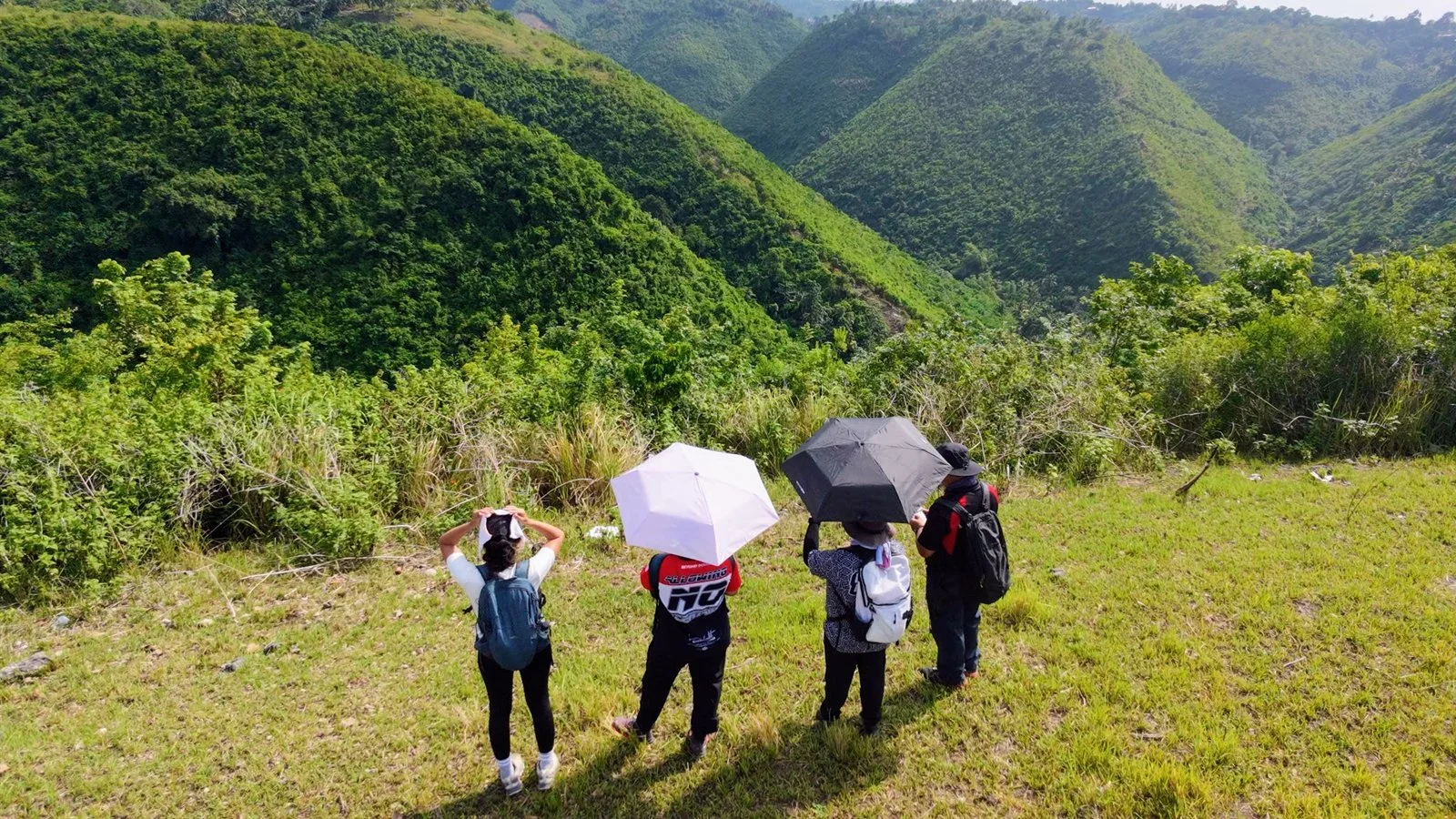
Every Sunday morning in Cebu, your feed fills up with sunrise ridge photos from Mt. Naupa, green karst views on Osmeña Peak, and post-hike sikwate stops in the highlands. If you have been staring at those photos wondering *"kaya ba ni nako?"*—the honest answer is yes, provided you start with routes and habits built for Philippine trails.
You do not need marathon stamina or ₱10,000 worth of imported outdoor gear to enjoy your first mountain. Most beginner advice online is written for cool, temperate forests in North America or Europe, which leaves first-timers in Cebu overpacking heavy boots and guessing how local trailheads actually work. This guide breaks down how to prepare specifically for tropical ridges, humid climbs, and weekend hikes across Cebu and the rest of the Philippines.
What Makes Philippine Tropical Trails Different
Before buying anything or picking a mountain, it helps to understand what makes hiking here different from generic outdoor guides:
- Tropical heat and humidity set the schedule: On open grassy ridges around Metro Cebu, Naga, Minglanilla, and Dalaguete, shade disappears quickly once the sun climbs. That is why experienced Cebu hikers jump off between 4:30 AM and 5:30 AM—finishing the steepest ascent before the punishing 9:30 AM to 2:00 PM heat sets in.
- Fast-changing highland microclimates: Clear skies in Cebu City or Mandaue do not guarantee dry weather up in Busay, Balamban, or Southern Cebu. Afternoon convective storms build rapidly over the central mountain spine, turning dusty trails into slick red clay mud or slippery limestone within 20 minutes.
- Living upland landscapes: Unlike isolated wilderness parks abroad, many Cebu and Visayan trails weave through working sitios, hillside vegetable terraces, coconut groves, and shared habal-habal tracks. You will regularly pass farmers heading to their fields, grazing goats, and trailside sari-sari stores.
How Hiking Actually Works in Cebu & the Philippines
One of the biggest surprises for first-time hikers is that getting onto a mountain in the Philippines involves local community rules as much as trail fitness:
- Barangay registration and environmental fees: Most established trailheads have a barangay outpost, tourism desk, or homeowner logbook at the jump-off. Expect to write down your name, emergency contact, and time in, and pay a modest environmental or registration fee—usually between ₱20 and ₱100.
- Cash is still king in the uplands: Mobile data and GCash signal drop out quickly in mountain valleys. Always bring small peso bills (₱20, ₱50, and ₱100) plus coins for registration desks, local guide fees, sari-sari water refills, and habal-habal rides.
- Self-guided backyard ridges vs. guide-required peaks: Easy, high-traffic trails around Metro Cebu and nearby towns are often self-guided, though registration is still expected. Regulated, technical, or protected routes—such as Balamban peaks, Southern Cebu karst mountains, river traverses, or DENR-monitored watersheds—require an accredited local guide and sometimes strict morning cut-off hours. Always check regulation and access advisories before heading out, as protected corridors like the Central Cebu Protected Landscape (CCPL) periodically update permit rules or close trails for rehabilitation.
- Commuting and exit logistics: If you do not have a car or motorbike, you will usually take a public jeepney or South/North Bus Terminal bus to the highway jump-off, then ride a habal-habal up to the trailhead. For out-of-the-way exits, get your driver's number on the way up or finish early enough that drivers are still waiting at the eskina.
Field Note: Hiring a local guide on your first few climbs is not a training wheel to feel embarrassed about—it is one of the smartest ways to learn. Local guides know every overgrown talahib fork, muddy shortcut, and weather shift on their mountain, and your guide fee directly supports upland families who maintain the trails.
Your Tropical Day-Hike Starter Kit (Without Breaking the Bank)
Skip the heavy waterproof boots and thick "layering systems" meant for cold mountain climates. In Philippine humidity, light, breathable, and fast-drying beats bulky every time. Here is a practical starter kit built for a half-day or full-day tropical hike:
| Gear Category | What Works Best in Cebu & PH | What to Skip on Day One |
|---|---|---|
| Footwear | Lightweight trail runners, breathable hiking shoes, or grippy outdoor sandals (Sandugo or Tribu-style) with deep lugs for mud and wet limestone. | Smooth-soled lifestyle sneakers (zero grip on clay) or heavy Gore-Tex boots (trap sweat and stay waterlogged after stream crossings). |
| Clothing & Sun | Moisture-wicking dry-fit shirt, athletic shorts or light hiking pants, cap or wide-brim hat, arm sleeves, sunscreen—and a light sun umbrella on exposed ridges. | Heavy cotton tees (stay soaked with sweat) and denim jeans (chafe badly when damp). |
| Backpack | A snug 15L to 20L daypack with a dry bag or large ziplocks inside to keep your phone, cash, and spare shirt dry. | Loose fashion totes or oversized 45L overnight packs for a morning hike. |
| Hydration & Food | 2L to 3L of water plus oral rehydration salts (ORS) or electrolyte sachets. Pair with easy Pinoy trail fuel: saging, boiled eggs, mixed nuts, pan de sal, or jelly snacks. | Relying solely on trailside sari-sari stores—upland stalls sometimes run out of stock or stay closed on quiet mornings. |
| Weather & Safety | Compact rain poncho or packable windbreaker, headlamp, loud whistle, basic first-aid kit (bandages, blister tape, antiseptic, personal meds), and a trash bag for wrappers. | Assuming you will always finish before dark—read our Night Hiking Guide to see why a headlamp belongs in every daypack. |
| Nav & Comms | Fully charged phone with an offline GPX map, power bank in a dry pouch, and regular prepaid SMS load (2G texts carry farther than mobile data). | Depending purely on mobile data or live map streaming in dead-signal valleys. |
Keep a fresh dry shirt, towel, and slippers in your pack or waiting at the jump-off so you do not have to ride home in muddy shoes and a sweat-soaked top.
Choosing Your First Trail: A Cebu Beginner Ladder
When picking your first hike, skip Western mileage charts and use metric trail benchmarks instead. A great first Philippine day hike sits around 3 km to 7 km total distance with 200 m to 450 m of elevation gain, classified locally as a Minor Climb (2/9 to 3/9 difficulty) that takes roughly 2 to 4 hours at an unhurried pace.
Tier 1: Accessible Backyard Ridges (Closest to Cebu City)
Start on open, established trails within an hour or so of the metro where morning foot traffic is steady and bailout points are straightforward:
- Mt. Campagao Ridge Trail (Minglanilla): Short, scenic, and close to the city—an ideal first test of your shoes, pacing, and hydration without a long commute.
- Mt. Naupa Naga Ridge Trails Loop (Naga City): One of Cebu's quintessential beginner climbs, offering wide grassy slopes, breezy sunrise views, and an easy barangay registration setup in Brgy. Cogon.
- Pitogo 2 Ridge Hillside Trails Loop: A rewarding ridge-and-hillside route that lets you practice gentle ascents, steady footing, and sweeping upland views.
Tier 2: Classic Cebu Scenic & Conditioning Steps
Once you have two or three comfortable hikes under your belt, step up to longer climbs, steeper clay gradients, or cooler southern highlands:
- Osmeña Peak & Casino Peak (Dalaguete): Cooler mountain air and dramatic green karst spires make these iconic beginner-friendly goals, though you should expect guide registration and extra caution on wet limestone.
- Mt. Babag / RCPI (Cebu City): A classic weekend conditioning climb—shorter in distance, steeper on the legs, and notorious for slick clay mud after rain.
- Mt. Manunggal & Mt. Mauyog (Balamban): Higher elevation and shaded forest-to-ridge transitions. Check Balamban guide-desk cut-off times and DENR advisories before planning a trip.
Beyond Cebu: Benchmarking Across the Philippines
If you are hiking outside Cebu, the same beginner ladder applies. Look for well-established Minor Climbs (2/9–3/9) with clear local tourism desks—such as Mt. Batulao or Mt. Gulugod Baboy in Batangas, Mt. Ulap in Benguet, or day hikes in nearby Bohol and Negros Oriental. Browse our Trail Directory to compare distances, difficulty ratings, and local rules before locking in a weekend plan.
Your 5-Minute Pre-Hike Check
Do not wait until you are standing at the jump-off to discover a trail is closed or a storm cell is rolling in. Run through this quick check the night before and at dawn:
- Check the forecast and live trail alerts: Look at DOST-PAGASA Visayas thunderstorm advisories and scan WeekendHikePH Trail Radar for wind gust warnings, rain bulletins, and weekend mud advisories.
- Verify trail access: Check regulation and closure updates for DENR notices, barangay cut-off hours, or temporary closures.
- Share your itinerary: Message a family member or trusted friend your exact jump-off, trail name, companion or guide details, and expected return time.
- Pre-hydrate and sleep early: Drink water steadily the day before your hike, eat a light breakfast before stepping on the trail, and skip late-night alcohol if you are jumping off at 4:30 AM.
Tropical Trail Etiquette & Safety Habits
Good trail habits keep upland communities welcoming and prevent small discomforts from turning into emergencies:
- Greet upland residents warmly: A simple "Maayong buntag!" when passing sitio homes goes a long way. Keep voices low early in the morning and leave Bluetooth speakers at home—you will hear approaching habal-habal motorbikes, barking farm dogs, and distant thunder much sooner.
- Yield cleanly on narrow ridges: Step aside on stable ground to let uphill hikers keep their momentum, or pause safely when a farmer's motorbike needs to pass on shared dirt tracks.
- Leave zero trace—even organic waste: Pack out every candy wrapper, wet wipe, tissue, and plastic bottle. Banana peels and eggshells take months to break down on dry grass slopes, so bring those out too. Read our full Leave No Trace Principles for Responsible Outdoor Recreation before your first climb.
- Respect your turnaround call: Heat exhaustion, knee flare-ups, and afternoon lightning can happen even on "easy" hills. Turning back when weather darkens or water runs low is smart mountaineering—never summit fever. Learn how to spot early warning signs in The Dangers of Hiking and How to Avoid Them.
The Golden Rule for Beginners: Pace yourself for the descent, not just the summit. Most slips, cramps, and rolled ankles on Cebu trails happen on the tired walk down after the morning heat builds—keep a steady rhythm, sip water every 15 to 20 minutes, and save energy for the return leg.
What's Next After Your First Few Hikes?
After three or four beginner ridges, you will quickly learn how much water your body burns per hour, how your shoes behave on wet dirt, and what elevation gain feels comfortable. From there, you can build steadily:
- Gradually raise your elevation gain: Move from 300 m ridge loops to 600 m–800 m climbs like Mt. Babag traverses or Balamban day hikes.
- Join a community or take a BMC: Hiking with a reputable local Cebu group or completing a Basic Mountaineering Course (BMC) teaches knots, campcraft, river safety, and group pacing far faster than trial and error.
- Track and review your routes: Save your GPX tracks to learn your real moving pace—you can even turn your weekend route into a shareable trail replay with GPX Animator.
- Try solo hiking only after building a base: Once you are confident navigating offline GPX tracks, gauging tropical weather, and managing your own hydration, check Solo Hiking in Cebu & the Philippines: Is It Right for You? before heading out alone.
Final Thoughts
Getting into hiking in Cebu and the Philippines is not about conquering the tallest peak on your first weekend—it is about building steady habits on local trails close to home. Start early before the sun bakes the ridges, pack light for tropical heat and sudden rain, carry small bills for barangay desks, and treat every sitio and mountain with respect. Lace up what you already have, pick an accessible Cebu ridge this weekend, and take that first step up the trail.