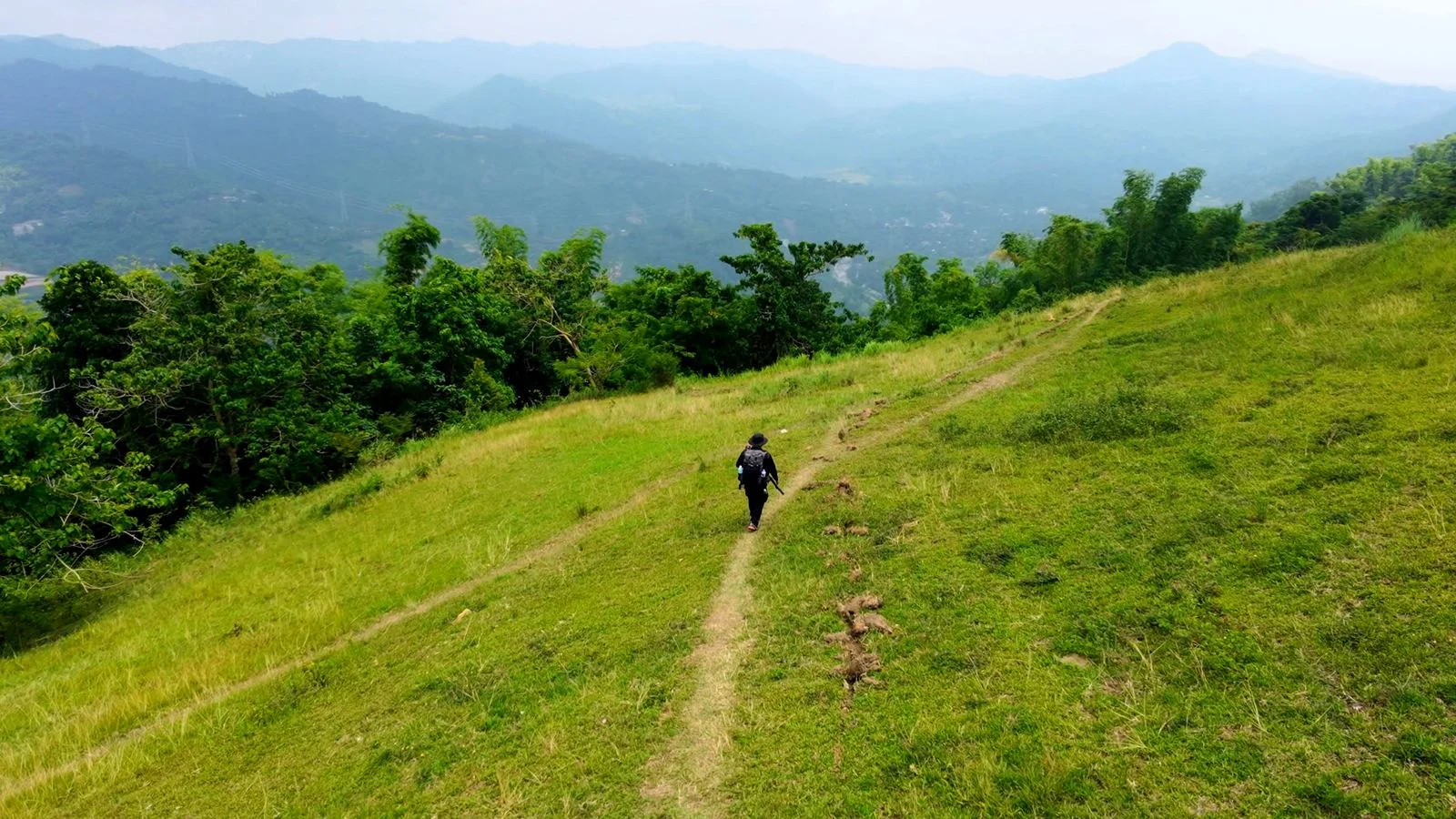
Anyone who has tried organizing a weekend climb in Cebu knows the drill: a buzzing group chat on Wednesday, five "G!" replies by Thursday, and half the crew backing out by Friday night. At some point, every hiker wonders—what if I just go on my own?
Solo hiking on Philippine tropical trails can be deeply rewarding, especially around Cebu where accessible ridges sit less than an hour from the city. Still, hiking alone in humid, fast-changing mountain terrain carries real trade-offs. Before you lace up for a solo dawn start, it helps to separate the romantic idea of solitude from the practical realities on the ground.
First: "Solo Hiking" vs. "Self-Guided" in the Philippines
In North American or European hiking blogs, "solo hiking" almost always means walking completely unassisted. In Cebu and across the Philippines, it usually falls into two distinct categories:
- Self-guided solo hikes: Established, high-traffic Metro Cebu and southern upland routes where local guides are optional or not required—such as Mt. Naupa in Naga City, the Pitogo 2 Ridge Hillside Trails Loop, or Mt. Campagao Ridge Trail in Minglanilla. Keep in mind that "self-guided" does not mean unregulated: you still need to log in at local barangay or trailhead registration desks (such as Brgy. Cogon for Mt. Naupa) and check regulation and access advisories beforehand, as protected watershed routes like the Spartan Trail / Central Cebu Protected Landscape (CCPL) corridors are subject to DENR closures.
- Solo traveler with a local guide: Regulated, technical, or river-crossing routes where LGU, barangay, or DENR rules require registration and an accredited local guide—such as Mt. Manunggal and Mt. Mauyog in Balamban, technical Cebu City river traverses like Budlaan–Kabang, or Southern Cebu karst peaks like Osmeña Peak, Casino Peak, Kandungaw Peak, and Mt. Lanaya.
Field Note: Hiring a mandatory local guide does not make your hike "less solo." You still move at your own pace, enjoy the quiet, and support upland communities—while gaining someone who knows every fork, slippery karst ledge, and weather shift on the mountain.
Why Hikers Love Going Solo Around Cebu
- Total control over your timing and pace: On tropical trails, timing is everything. Going solo lets you jump off at 4:30 AM to beat the punishing 9:30 AM sun, push hard on steep climbs, or linger at a breezy ridge for an extra 20 minutes without checking on anyone else's schedule.
- No group-chat friction: You can check the morning weather radar, pack in 15 minutes, and catch the first habal-habal or bus without coordinating five meet-up points.
- Sharper awareness and mental reset: Without steady conversation, you notice more—the sound of wind picking up across a ridge, subtle trail markers, shifts in your own breathing, and the quiet rhythm of upland sitios waking up.
- Genuine self-reliance: Managing your own hydration, pacing, route checks, and turnaround calls builds confidence faster than following a lead pack every weekend.
The Real Risks of Solo Hiking on Tropical Trails
When you hike alone, small mistakes escalate faster because there is no one to share water, stabilize a rolled ankle, or call for help if you lose signal. On Cebu and nearby Visayan trails, the real hazards are rarely dramatic—they are environmental, logistical, and mental:
- Heat exhaustion and dehydration: Exposed grassy ridges like Mt. Naupa and open karst hills in Dalaguete offer little to no shade. Without a buddy noticing that you have stopped sweating or slowed to a crawl, heat stress can sneak up quickly.
- Sudden tropical weather and slick terrain: Afternoon convective storms build fast over Central Visayas. A dry morning trail can turn into slick clay mud (a classic Cebu upland hazard on routes like Mt. Babag / RCPI) or razor-sharp, slippery limestone on Southern Cebu peaks. River-crossing routes like Budlaan–Kabang also carry flash-flood risk after heavy upland rain.
- Fork confusion and dead signal zones: Cebu's mountains are living agricultural landscapes crisscrossed by farmer footpaths, motorcycle tracks, and overgrown talahib grass. One missed junction in a valley with zero Globe or Smart signal can easily add hours to your day.
- Decision fatigue and solo morale: Carrying 100% of navigation, weather judgment, and pacing without a partner leaves no one to second-check a confusing fork, spot early signs of impaired judgment, or lift morale during a humid slog.
- Local trail hazards: Instead of large wilderness predators, solo hikers here deal with territorial farm dogs near upland homes, fire ants, wasps, venomous snakes in dense brush, loose scree, and hidden roots.
- Commute and exit bottlenecks: Finishing later than planned as a solo hiker can leave you stranded at a quiet jump-off where habal-habal drivers have thinned out—or stuck paying full solo fare back to the highway.
Quick Self-Check: Are You Ready to Hike Solo?
Before going solo—especially on a self-guided route—give yourself an honest yes on these five checks:
- You have finished several group hikes on similar terrain and know how your body handles tropical heat, steep ascents, and steep descents.
- You can follow an offline GPX track on your phone without relying on mobile data.
- You know your water consumption rate (how many liters you actually burn per 2 hours in Cebu humidity).
- You are comfortable turning back early if weather darkens, water runs low, or a knee starts flaring—no summit fever.
- You can handle minor field issues on your own, from treating blisters and leg cramps to reading basic trail junctions.
If you hesitated on more than one of these, log a few more kilometers with a small group or book a local guide first. If you're still building your base, start with our Beginner's Guide to Getting Into Hiking.
A Practical Playbook for Safe Solo Hiking in Cebu
If you decide solo hiking is right for you, stack the odds in your favor with habits tailored to local trails:
1. Choose High-Traffic, Beginner-Friendly Routes First
For your first solo outings, pick open, established weekend ridge routes on Saturday or Sunday mornings rather than quiet weekdays. Accessible spots like Mt. Campagao Ridge Trail, Mt. Naupa, or Pitogo 2 Ridge usually have steady morning foot traffic and trailside sari-sari stores—giving you solitude when you want it and help nearby if you need it. Browse our Trail Directory to check difficulty, guide policy, and water or sari-sari store availability before picking a route.
2. Leave a "Drop-Dead Time" Check-In Plan
Tell a trusted friend or family member before you leave signal range:
- Your exact jump-off, target route, and intended exit point
- Your start time and expected finish time
- A firm check-in deadline (e.g., "If I haven't messaged you by 2:00 PM, call me—and if unreachable, contact the barangay/tourism desk")
- If commuting, the name or plate/contact of your habal-habal driver if you arranged a pick-up
Carry regular prepaid SMS load in addition to your data promo—basic 2G text messages often get through upland ridges long after mobile data drops. For personal safety, delay posting live solo location tags or stories on social media until you are safely off the trail.
3. Check Weather and Trail Advisories Before Dawn
Never rely solely on clear skies in Cebu City—highland ridges in Busay, Balamban, and Dalaguete have their own microclimates. Check DOST-PAGASA Visayas thunderstorm watches, scan WeekendHikePH Trail Radar for live wind gust alerts and mud advisories, and review regulation and closure updates for DENR/LGU trail closures and guide-desk cut-off hours before stepping out.
4. Pack for Tropical Self-Sufficiency
Keep your pack light, but never strip out essentials when going alone:
- Water + electrolytes: Carry at least 2–3 liters on dry or exposed ridges (plus oral rehydration salts), even if you expect a sari-sari store along the way—mountain stores sometimes close unexpectedly.
- Offline navigation + backup power: Download your GPX route and offline map tiles beforehand, and carry a power bank inside a ziplock or dry pouch.
- Emergency basics: A loud whistle (three blasts is the universal distress signal), compact first-aid kit (bandages, antiseptic, blister tape, antihistamine), light rain jacket/poncho, and a headlamp—even on a morning day hike, in case a wrong turn or injury delays you past dusk (see our Night Hiking Guide).
- Small cash bills and coins: Signal-free uplands don't always take GCash. Keep ₱20, ₱50, and ₱100 bills handy for environmental fees, guide fees, water refills, and emergency habal-habal rides.
5. Respect Local Rules, Communities, and Your Turnaround Call
Always log in at barangay or trailhead registration desks, greet upland residents as you pass through sitios, and practice Leave No Trace principles. Skip noise-canceling earbuds (or keep one ear completely open) so you can hear approaching habal-habal motorbikes on shared upland paths, barking farm dogs, and rolling thunder. Most importantly, treat turning back as good judgment—not failure. For a deeper look at recognizing warning signs early, read The Dangers of Hiking and How to Avoid Them.
The Golden Rule of Solo Hiking: When you hike with a group, your margin for error is shared. When you hike solo, your margin for error is your preparation—start early, tell someone where you are, carry extra water, and leave your ego at the jump-off.
Final Verdict: Is Solo Hiking Right for You?
Solo hiking isn't an all-or-nothing identity. You don't have to swear off group climbs to enjoy a quiet Sunday sunrise ridge on your own. If you value flexibility, prepare honestly for Cebu's heat and sudden rains, and respect the line between self-guided backyard trails and guide-required peaks, solo hiking can become one of the most grounding ways to experience the Philippine outdoors.
Start close to home, start early, and keep your first solo hike well within your comfort zone. The summit will still be there next weekend—make sure you get home safely to enjoy it.