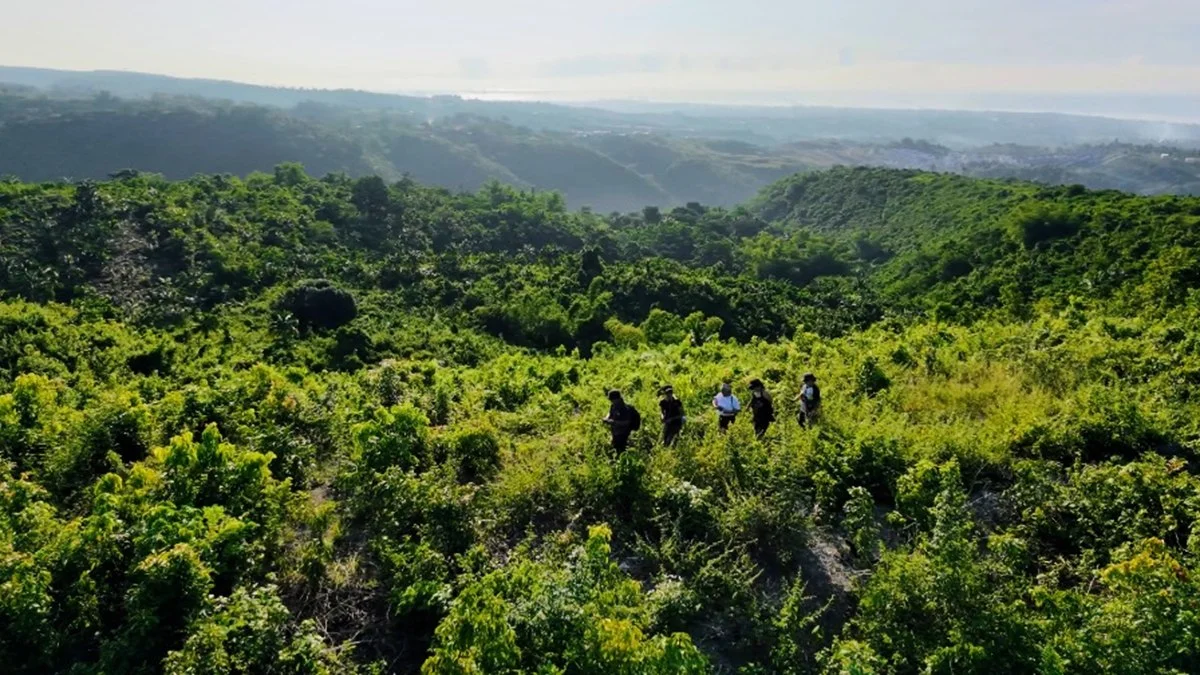
Hiking in Cebu—and across the Philippines—means moving through landscapes that are as fragile as they are dramatic: jagged limestone peaks like Osmeña Peak and Mt. Lanaya, river canyons like Budlaan–Kabang Falls, highland ridges in Balamban and Mt. Manunggal, and the Central Cebu Protected Landscape (CCPL).
More than weekend playgrounds, these uplands are living watersheds that supply drinking water to lowland towns and cities—and home to rural farming communities and rare endemic wildlife. Here is how to apply the 7 Leave No Trace (LNT) Principles to the realities of Cebu and Philippine tropical trails.
The 7 Leave No Trace Principles on Tropical Trails
1. Plan Ahead and Prepare
A smooth climb protects both you and the mountain. Most trail damage starts with rushed prep.
- Register and book properly: Log in at the barangay outpost, pay environmental fees, and hire accredited local guides where required. For protected areas like the CCPL, Mt. Pulag, or Mt. Apo (under the E-NIPAS Act / RA 11038), secure DENR/PAMB permits and briefings ahead of time.
- Watch PAGASA and river conditions: Respect Amihan winds, summer heat, and Habagat downpours. Skip Cebu river treks and waterfall canyons whenever upland rain threatens flash floods.
- Repack at home: Strip excess wrappers, cardboard, and sachets before hitting the jump-off. Pack baon in reusable containers and bring a refillable bottle or hydration bladder instead of single-use plastic.
- Keep groups manageable: On narrow karst ridges and sunrise peaks like Osmeña Peak, Mt. Naupa, or Sirao, split big weekend groups so you don't bottleneck the trail.
2. Travel and Camp on Durable Surfaces
Steep limestone slopes, red clay, and heavy tropical rain mean one shortcut can turn into a deep erosion gully by the next monsoon.
Tropical Trail Rule: Walk straight through the mud, not around it. Mud washes off your shoes; widened, scarred trails take years to recover.
- Stay single file on the main path: Dodging puddles on trails like Mt. Babag or Mt. Manunggal tramples trailside ferns and loosens root-held soil. Wear grippy footwear you don't mind getting muddy.
- Use established campsites only: Pitch tents on designated clearings—never cut cogon, talahib, or saplings with a bolo to widen a pad or open a photo spot.
- Respect water setbacks: Camp at least 60–70 meters (200 feet / ~70 adult paces) from creeks, rivers, and waterfalls to protect drinking watersheds and stay safe from flash floods.
- Protect trees and karst: Use wide hammock straps (at least 2.5–5 cm) on mature trees—never bare rope, thin saplings, or mossy trunks.
3. Dispose of Waste Properly
"Pack it in, pack it out" means carrying your trash all the way back to town or city bins—not dumping full bags at remote barangay jump-offs (like Mantalongon or upland sitios) that lack regular garbage collection.
- Carry out food scraps and micro-trash: Banana peels, eggshells, rice, and bones still attract stray dogs, rats, ants, and monkeys. Stash candy wrappers, 3-in-1 coffee tear-offs, wet wipes, and cigarette butts in a sealed pouch inside your pack so branches can't snag it.
- Handle human waste carefully: Use campsite CRs where provided (never toss wipes or sanitary pads into pit toilets). Elsewhere, dig a cathole 15–20 cm (6–8 inches) deep, at least 60–70 meters from trails, camps, water sources, and rainwater gullies. Cover it well and pack out all tissue and wipes—a small squeeze bidet makes this far easier.
- Keep soap out of rivers and waterfalls: Never wash dishes, clothes, or yourself directly in streams or waterfall pools—even with biodegradable soap. Wash 60–70 meters away, strain food bits to pack out, and scatter greywater over soil.
4. Leave What You Find
Cebu's remaining forest pockets—such as Tabunan, Alcoy, and Argao—and Philippine mountain ranges harbor species found nowhere else on Earth.
- Hands off native plants and rocks: Never pick or uproot wild orchids, pitcher plants (Nepenthes), ferns, or moss—collecting wild flora without permits violates RA 9147 (Wildlife Conservation Act). Skip river rock-stacking too; it disturbs aquatic microhabitats.
- Zero trail vandalism: Don't carve names into bamboo (kawayan), trees, or limestone boulders, don't paint arrows, and never leave climb tarpaulins or plastic ribbons behind.
- Clean your boots between hikes: Wash dried mud off shoe treads and trekking poles after every climb so you don't carry invasive weed seeds between mountains.
- Respect upland farms: Trails in Dalaguete, Sirao, Busay, and Alegria cut straight through active vegetable terraces and flower farms. Never pick crops or fruit unless you ask and pay the farmer—and watch out for rural water hoses crossing the path.
5. Minimize Campfire Impact
On most Cebu peaks and Philippine mountains, skip the bonfire altogether.
Cebu Dry-Season Warning: From March to May, cogon ridges like Mt. Naupa, Mt. Babag, and Balamban dry out like tinder. One stray spark or cigarette butt can ignite an entire mountainside.
- Cook on a camp stove: Use a compact canister or alcohol stove on bare rock or mineral soil, clear of dry grass—and pack out empty fuel canisters.
- Pack layers, not fire: Highland winds on ridges like Osmeña Peak or Mt. Manunggal get surprisingly cold at night, especially if you're damp. Bring a warm layer, rain shell, and sleeping pad instead of burning wood.
- Never burn trash or flick embers: Burning plastic wrappers and foil leaves toxic ash and microplastics behind. Don't smoke on dry trails, and pack out every butt.
- Only build fires where explicitly permitted: At managed private campgrounds with existing fire rings, keep flames tiny, burn only dry fallen sticks, and douse with water until cold to the touch.
6. Respect Wildlife
From Black Shamas (Siloy), Cebu Flowerpeckers, and hornbills to civets (milo), monitor lizards (halo), macaques, frogs, and pit vipers, wild animals need space to survive.
- Never feed wildlife or trail animals: Feeding monkeys or roaming camp dogs alters natural behavior, spreads disease, and leads to aggressive bag-snatching.
- Seal your food overnight: Don't leave snacks or trash loose in tent vestibules—rats, ants, civets, and dogs will chew straight through mesh.
- Give snakes and insects space: Step back and let snakes, centipedes, or spiders pass—never kill them. On wet mossy trails with leeches (limatik), use gaiters, long socks, and mild deterrents rather than spraying harsh chemicals near water.
- Mind flash, drones, and pets: Avoid camera flash on nocturnal wildlife, keep drones away from birds and protected canopies, and leave pets at home when visiting protected areas.
7. Be Considerate of Other Visitors (and Local Communities)
In Cebu, trails run past people's homes, farms, and daily commute routes. Trail courtesy starts with the locals who share their backyard with us.
- Greet and respect host communities: Offer a warm "Maayong buntag!" or "Agi ko, 'Nay/'Tay!", respect private yards, dress mindfully in rural sitios, and support jump-off sari-sari stores and eateries.
- Back up your local guides and porters: Follow their pacing and safety calls, pay fair agreed rates, and keep porter loads humane.
- Ditch the Bluetooth speaker: Loud soundtrip ruins the mountain calm for hikers and wildlife alike. Use earphones, observe quiet hours at camp, and tilt headlamps down when passing others on predawn hikes.
- Share trails and sunrise summits: Yield to uphill hikers, laden porters, and local farmers. At tight viewpoints like Osmeña Peak or Casino Peak, take your photos and step aside for the next group.
- Skip loud inuman at camp: Heavy drinking on the mountain leads to noise, litter, accidental fires, and avoidable rescues.
10-Second Jump-Off Check
- Permits & weather: Barangay registration, DENR/PAMB permits (if required), and PAGASA forecast sorted.
- Zero-waste pack: Snacks repacked out of excess wrappers; reusable water bottle or bladder ready.
- Trash pouch: Dedicated sealed trash bag inside your pack to carry waste all the way back to town.
- Clean gear: Boots and trekking poles brushed clean from your last trail.
- Low-impact camp: Camp stove packed; Bluetooth speaker left at home.
We Drink From the Mountains We Climb
On an island like Cebu, Leave No Trace isn't just trail etiquette—it's self-preservation. Every wrapper carried home, every muddy step kept on-trail, and every dry ridge spared a careless spark helps keep our watersheds clean, our wildlife intact, and our favorite weekend peaks open for everyone.
Heading out this weekend? Pair this with The Dangers of Hiking in the Philippines: Common Trail Hazards and How to Avoid Them.
For global research and training resources, visit the official Leave No Trace Center for Outdoor Ethics.